Renewable Energy Developments in Nigeria
Coverage of solar mini-grid projects, government electrification initiatives, and the expanding role of renewable energy in bringing power to communities across Nigeria.
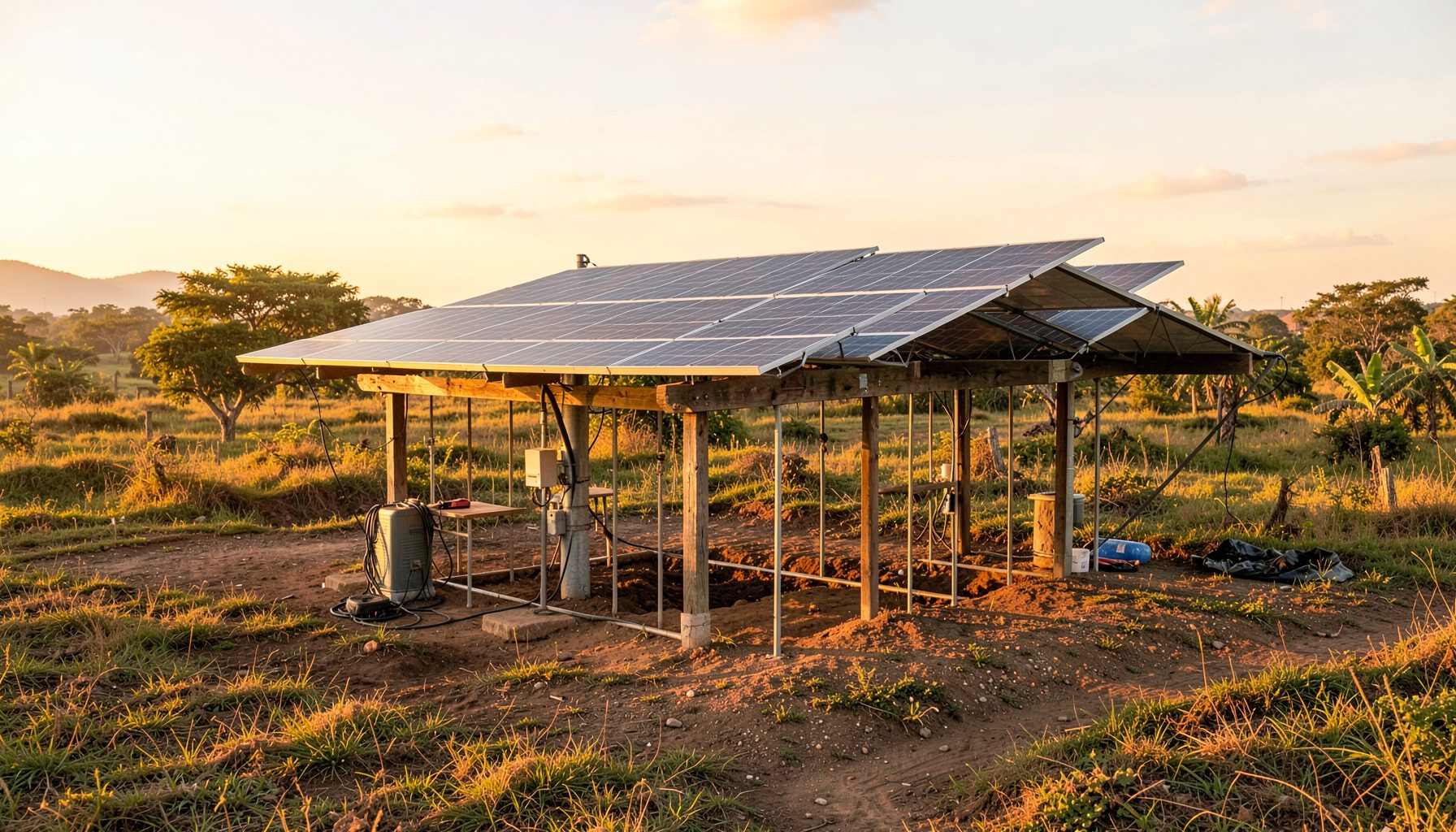
Nigeria's energy landscape is undergoing a significant transformation as renewable power systems gain momentum across the country. Solar mini-grid projects have emerged as a practical solution for communities that have long struggled with unreliable grid connections or no access to electricity at all. These decentralized installations bring clean, sustainable power directly to homes, schools, and small businesses, enabling daily activities to continue well beyond daylight hours. The growth of these systems reflects a broader recognition that renewable energy can play a central role in closing the electricity access gap that has historically hindered economic development in many parts of the nation.
Government electrification initiatives have become increasingly focused on integrating renewable sources into the national power strategy. Policy efforts aimed at expanding rural electrification now frequently prioritize solar and other clean energy options, recognizing their adaptability and the speed with which they can be deployed compared to traditional infrastructure projects. These programs work alongside private sector investment to create a more resilient and diversified power system. The result is a growing ecosystem where both public frameworks and market-driven solutions contribute to expanding energy access, with renewable technologies serving as the backbone of many new electrification efforts.
The expanding role of renewable energy in Nigeria extends beyond simply providing electricity; it also carries significant implications for economic activity and social wellbeing. Reliable power enables small enterprises to operate longer hours, supports cold-chain storage for agricultural produce, and improves access to modern healthcare services in remote areas. As more communities gain access to clean power, the demand for trained technicians, installation experts, and maintenance personnel grows alongside it, creating new opportunities for skilled employment. This interconnection between energy access and broader development outcomes underscores why renewable power systems are viewed as more than just an environmental consideration.
Looking ahead, the continued adoption of renewable energy across Nigeria will depend on sustained collaboration among policymakers, developers, financiers, and local communities. Addressing challenges such as battery storage capacity, system maintenance, and affordable financing will be essential to ensuring that installed systems deliver long-term value. As awareness of these technologies grows and costs continue to become more competitive, renewable energy is positioned to become an increasingly integral part of how power is generated and consumed in the country. The journey toward broader electrification is ongoing, and renewable sources are proving themselves as reliable allies in that mission.