
10 Differences Between Exhaustible and Inexhaustible Resources, with Examples
The differences between exhaustible and inexhaustible resources can be found in their availability, usage, replenishing nature, and environmental impact.

Renewable energy resources are those that can be replenished naturally over a human timescale. This section explores the differences between exhaustible and inexhaustible resources, compares renewable and non-renewable energy, and examines how renewables are used — and sometimes misused — around the world.
Renewable energy resources stand apart from their fossil-fuel counterparts because they draw on flows that nature continuously replenishes. Sunlight, wind, water movement, and heat from the earth's interior all qualify as renewable because they are not depleted through use over a human lifetime. This stands in direct contrast to exhaustible resources such as coal, oil, and natural gas, which formed over geological timescales and are consumed far faster than they can be replaced. Understanding this fundamental distinction helps individuals, businesses, and governments make informed decisions about which energy pathways to pursue, and why shifting toward renewables matters for long-term sustainability and energy security.
The comparison between renewable and non-renewable energy extends beyond simple definitions of availability. Renewables typically produce far lower emissions during operation, reducing their contribution to climate change and local air pollution. Non-renewables, meanwhile, often deliver dense, reliable power but carry hidden environmental and social costs across extraction, transport, and combustion. The practical reality is that both categories play important roles in today's energy mix, and the transition from one to the other is rarely instantaneous. A balanced perspective acknowledges that renewables bring distinct advantages while also recognizing the infrastructure, storage, and grid-integration challenges that must be addressed for them to fully replace conventional sources.
Renewables are used in many forms across Nigeria, Africa, and the wider world. Solar installations range from small household systems that power lights and phone charging to larger arrays serving communities and commercial facilities. Wind farms capture breezes in suitable regions, while hydroelectric projects harness rivers and dams for steady baseload generation. Yet the adoption of renewable technology is not always straightforward. Issues such as intermittency, battery storage capacity, maintenance expertise, and upfront costs can limit deployment, particularly in areas where electricity access is still developing. When systems are poorly planned or installed without proper consideration of local conditions, renewables can be misused, underperforming or failing to deliver the reliable power communities expect.
Looking ahead, the renewable energy landscape continues to evolve rapidly as technologies improve and costs decline. Battery systems are becoming more capable of storing energy for use when the sun is not shining or the wind is not blowing, making renewables more dependable. Policy frameworks, funding mechanisms, and educational efforts are also expanding, helping more people understand the practical implications of switching to cleaner power sources. The conversation around renewables is no longer just about environmental benefit; it now includes considerations of economic opportunity, job creation, energy independence, and resilience against fuel price volatility. As these conversations deepen, the role of reliable information becomes increasingly important, helping communities worldwide make thoughtful choices about the energy systems that will power their future.
The differences between exhaustible and inexhaustible resources can be found in their availability, usage, replenishing nature, and environmental impact.
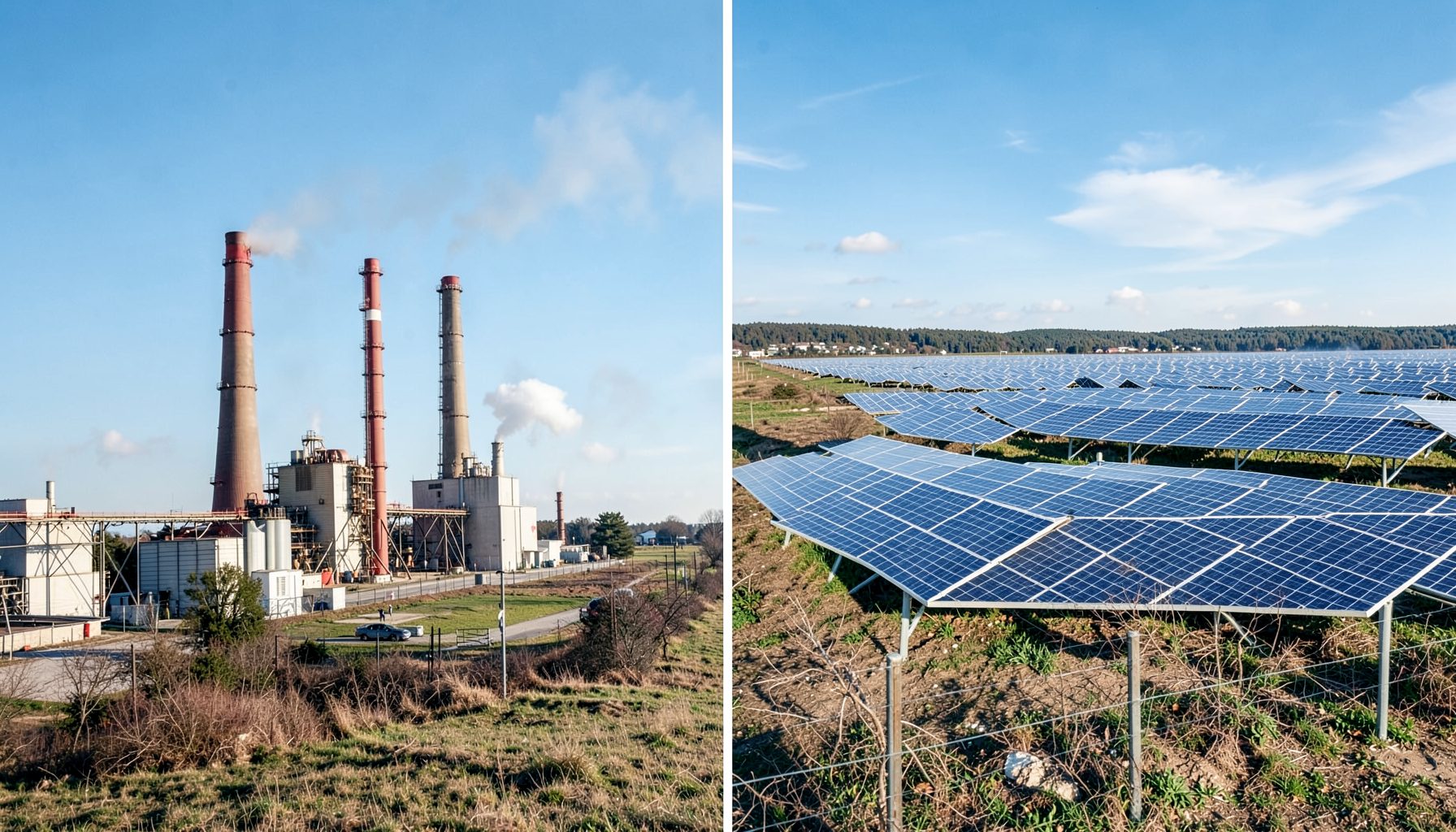
A broad look at how renewable and non-renewable energy sources differ in origin, availability, and long-term sustainability.

An examination of how renewable energy technologies can be misapplied or overexploited, and the consequences that follow.

An explanation of the key units used to measure battery capacity and what they mean in practical terms.
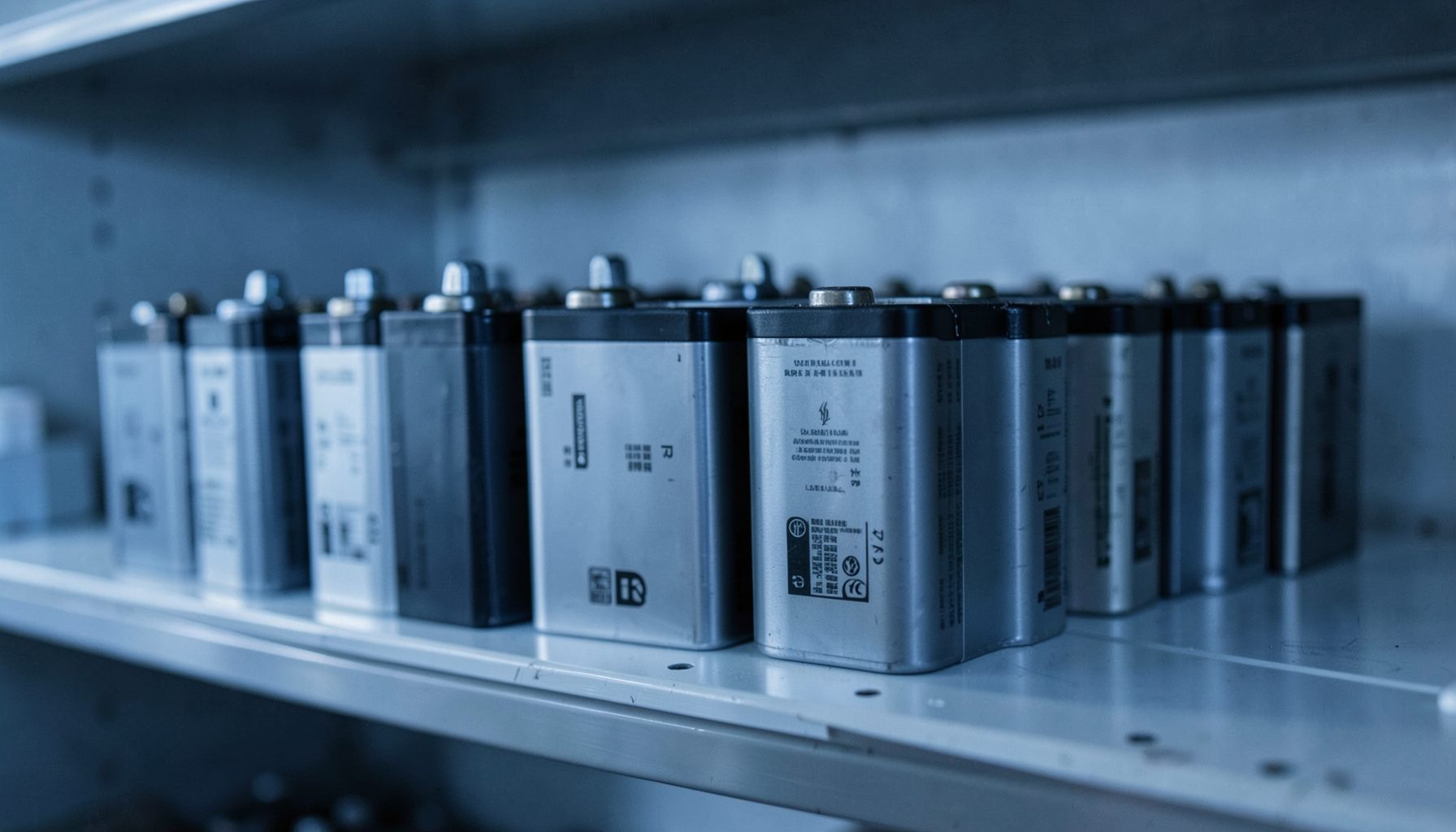
Discover the reasoning behind the Ampere-hour rating system used for batteries across different applications.
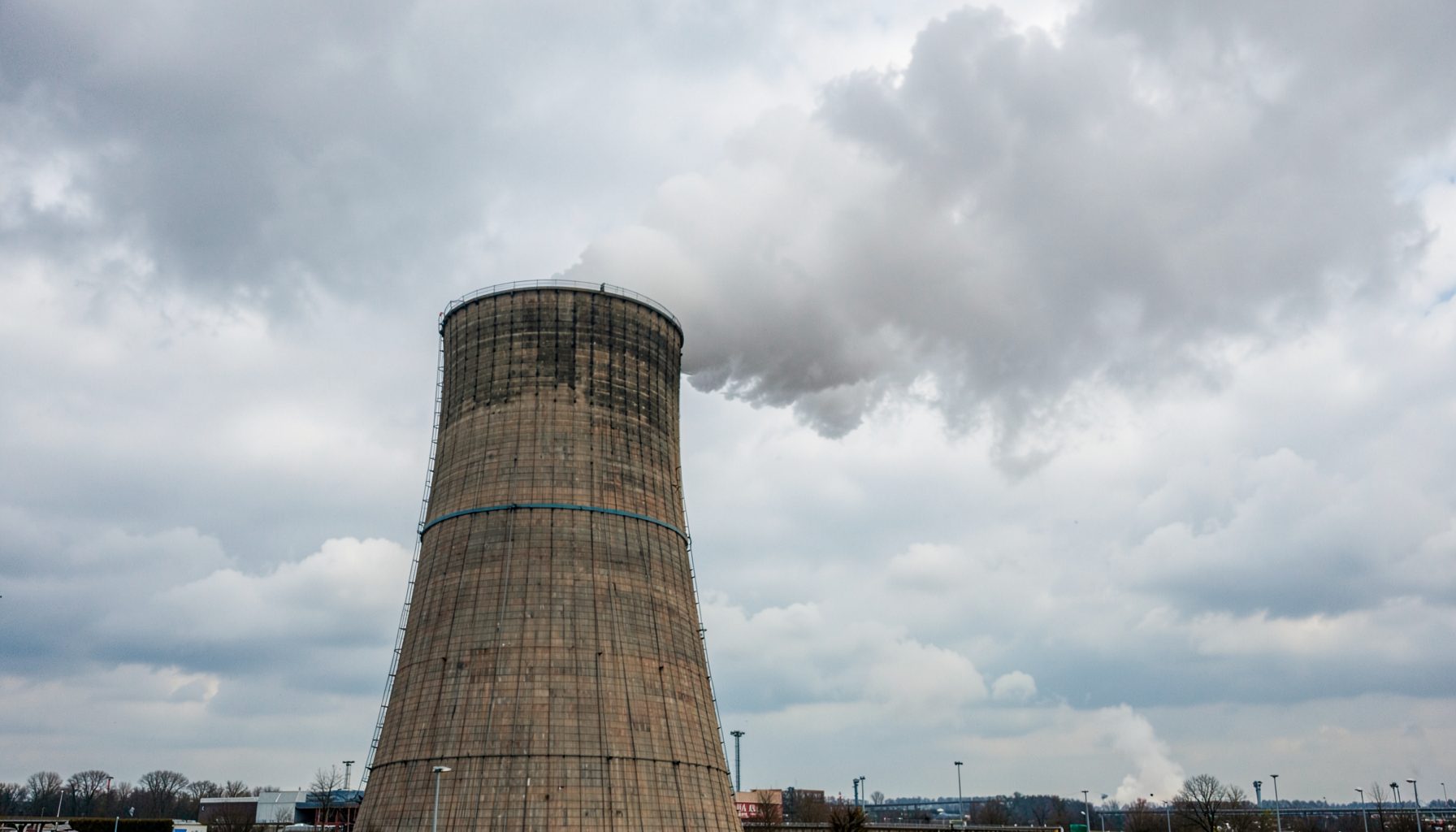
A focused look at the debate around whether nuclear energy qualifies as a renewable resource.
A clear comparison of renewable and non-renewable energy, covering key distinctions in replenishment, environmental impact, and long-term availability.
Want the latest on renewables and power systems?
Browse News →